Energy Efficiency and Rooflights: How to Lower Costs and Improve Comfort
Rooflights present a sensible solution for improving energy performance in domestic properties. By harnessing natural light, they decrease dependence on artificial illumination, leading to reduced energy bills. Their design features also contribute to improved thermal performance, preserving pleasant interior conditions year-round. However, picking the correct rooflight design and fitting technique is essential for achieving the full range of advantages. Learning how to reach peak energy efficiency can significantly influence both living conditions and financial savings. Which considerations should homeowners keep in mind?
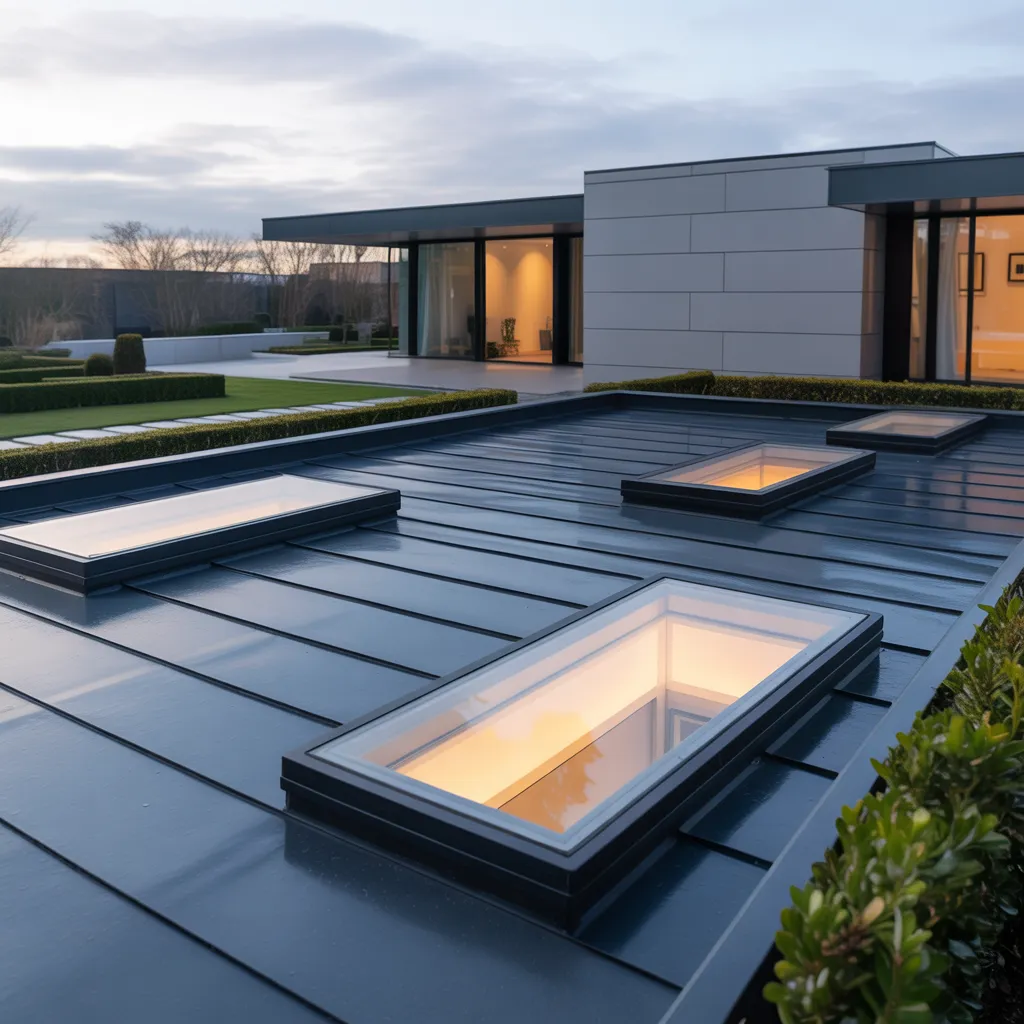
How Rooflights Improve Energy Efficiency
Rooflights significantly improve energy efficiency in both homes and business premises. By permitting natural light to flood deeper into rooms, they useful guide decrease dependence on artificial light sources, leading to decreased energy demands. This not only reduces electricity bills but also reduces the environmental impact linked to energy generation. Moreover, contemporary rooflight solutions frequently include thermal insulation properties that aid in preserving indoor climate conditions. During the winter season, they can minimize heat loss, while in warmer seasons, they can be engineered to limit heat absorption, thereby lowering cooling costs. In addition, carefully positioned rooflights can enhance airflow, enabling improved air circulation and lessening reliance on mechanical climate control systems. In summary, integrating rooflights into building designs can greatly enhance energy efficiency, supporting environmentally conscious habits and long-term financial savings.
The Key Benefits of Rooflights for Bringing Natural Light Into Your Home
Rooflights provide considerable benefits by improving natural light in home environments. This enhancement of daylight not only optimises energy consumption but also promotes improved health and wellbeing for residents. The installation of rooflights can turn a home into a more luminous and appealing living space.
Improved Natural Lighting
Daylight serves a critical function in elevating the comfort and practicality of a home. Rooflights provide an excellent option for increasing natural light, converting dim rooms into luminous, welcoming spaces. By enabling daylight to stream inside, these additions create a warm atmosphere that can elevate mood and productivity. Additionally, natural light has been demonstrated to support physical and mental wellness, reducing reliance on artificial lighting and nurturing a sense of connection to nature. Such additions can also draw attention to design elements, adding visual interest and depth to living areas. Beyond this, by capitalizing on available daylight, homeowners can achieve a more open and airy feel, making rooms appear larger and more welcoming. This improvement in natural light greatly enriches the living experience.
Improved Energy Efficiency
While many homeowners seek ways to enhance their living spaces, incorporating rooflights can greatly improve energy efficiency. By letting natural light pour into the space, rooflights lessen the reliance on artificial lighting, leading to reduced energy costs. Additionally, contemporary rooflight solutions often feature thermally optimized glazing that reduces thermal escape, preserving pleasant interior climates throughout the year. This insulation effect not only lowers winter heating bills but also assists in maintaining cooler interiors during warmer months, thereby reducing energy consumption. Moreover, strategically placed rooflights can boost air circulation, reducing reliance on cooling systems. Overall, the incorporation of rooflights represents a smart investment for homeowners seeking to improve their home's energy performance while embracing the beautiful qualities of natural daylight.
Health and Wellbeing Boost
Natural light is fundamental in promoting health and wellbeing within the home. Rooflights act as a primary source of sunlight, enhancing the home environment. Exposure to natural light is linked to better emotional wellbeing, heightened focus, and better sleep quality. It helps regulate internal body clocks, which can alleviate stress and anxiety. Moreover, sufficient natural light stimulates physical activity and social interaction, contributing to a greater sense of wellbeing. Rooflights further minimise reliance on artificial lighting, additionally enhancing psychological and emotional health. By integrating rooflights into home design, homeowners are able to craft environments that not only reduce energy consumption but also encourage a more positive and refreshing living space, thereby improving the overall living experience.
Finding the Perfect Rooflight Styles for Every Room Type
Selecting the ideal rooflight design can significantly improve the usability and aesthetic appeal of various room types. For kitchen spaces, larger, fixed rooflights permit generous amounts of natural light, giving the room a welcoming and vibrant feel. In living rooms, a combination of rooflights and operable windows can offer airflow while preserving a warm ambiance. For bathroom areas, smaller, frosted rooflights offer privacy without sacrificing light, fostering a tranquil atmosphere.
Within bedrooms, rooflights featuring adjustable blinds help control light levels, promoting a peaceful ambiance. Study areas or home offices gain advantages from openable rooflights that allow fresh air, enhancing focus and productivity. In the end, selecting the appropriate rooflight style requires taking into account the unique needs of each room, such as light, privacy, and ventilation. By tailoring choices to these factors, homeowners can substantially boost both comfort and energy efficiency within their living spaces.
How to Install Rooflights for Maximum Efficiency
Adding rooflights can significantly improve energy efficiency when installed properly. First, proper placement is crucial; situating rooflights to optimize natural light while limiting heat loss will yield the best results. In most cases, they should be installed on southward-facing slopes to make the most of sunlight during the day.
Next, opting for energy-efficient, high-quality glazing is essential. Double or triple-glazed options with low-emissivity coatings will help maintain indoor temperatures while reducing energy consumption.
Moreover, maintaining a secure bond around the roof light stops drafts and moisture infiltration, which may affect overall efficiency.
Ultimately, considering the use of thermal insulation and shading devices will significantly boost building performance, allowing for comfortable and functional living spaces across all seasons.
Discovering Cost Savings With Rooflights
Numerous homeowners have found that adding rooflights can produce significant cost savings over time. By permitting natural light to fill indoor areas, rooflights decrease dependence on artificial light sources, thereby lowering electricity bills. Additionally, rooflights are capable of improving thermal efficiency, especially when equipped with energy-saving glazing. This assists in preserving comfortable internal temperatures, decreasing reliance on heating in colder months and cooling in warmer months.
Furthermore, the careful positioning of rooflights can optimize ventilation, additionally reducing energy costs by decreasing the need for artificial cooling. Property owners also enjoy potential increases in property value, as energy-efficient features are growing in popularity to home buyers. In the long run, the original expenditure in rooflights can be compensated by these financial benefits, making them a financially prudent choice. At the end of the day, their inclusion not only boosts energy efficiency but also supports a more eco-friendly living space.
Ways Rooflights Can Transform and Beautify Your Home
Rooflights function not only to increase energy efficiency but also to enrich the overall look of a home. By maximizing natural light, they create a warm and inviting atmosphere while highlighting architectural features. Moreover, numerous stylistic design alternatives give homeowners the freedom to adapt rooflights to match their unique preferences and the overall design of their home.
Enhancing Natural Light
Natural light serves as a transformative element in home design, elevating both beauty and ambiance. Rooflights play an essential role in maximizing natural light, enabling sunlight to fill interior spaces while decreasing dependence on artificial lighting. This not only elevates the visual appeal of a home but also creates a warm and inviting atmosphere. Moreover, the careful installation of rooflights can emphasize architectural features and offer a sense of spaciousness, rendering rooms more open and airy. In addition, natural light has been shown to positively impact mental well-being, boosting energy levels and productivity. By installing rooflights, homeowners can seamlessly blend functionality with beauty, establishing a balanced living space that encourages comfort and enjoyment.
Aesthetic Design Options
A range of aesthetic design choices can significantly improve a home's visual appeal through the integration of rooflights. These features allow natural light to illuminate living spaces while adding a modern touch to architectural styles. Various shapes and sizes, such as skylights and lantern roofs, can establish unique focal points. Additionally, custom frames and finishes can blend seamlessly with existing décor, strengthening overall design coherence. The strategic placement of rooflights also emphasizes architectural lines, making spaces appear larger and more inviting. In addition, integrating rooflights with energy-efficient glazing can offer both aesthetics and practicality, decreasing energy consumption while enhancing the ambiance. Ultimately, rooflights act as a versatile design element, blending style with utility in any home.
Frequently Asked Questions
How Do You Maintain Rooflights?
Rooflights require routine checks to identify leaks, clear debris, and verify sealant integrity. Cleaning glass surfaces improves natural light transmission, while ensuring proper drainage prevents water accumulation. Regular upkeep increases durability and enhances functionality, supporting the broader energy performance of the building.
Are Rooflights Able to Help Lower Heating and Cooling Expenses?
Skylights can considerably lower energy expenses by harnessing natural light and improving airflow. This contributes to decreased reliance on mechanical lighting and climate control systems, thereby producing decreased utility expenses and greater interior comfort levels.
Which Rooflight Materials Are Known to Boost Energy Efficiency?
Particular roof window materials, including triple-glazed glass and low-emissivity coatings, considerably enhance energy efficiency. These materials decrease heat loss and gain, serving to stabilize interior temperatures and reduce reliance on cooling and heating systems.
How Can Rooflights Influence Your Home's Resale Value?
Rooflights can markedly enhance home resale value by enhancing natural light, aesthetics, and energy efficiency. Many buyers commonly view them as desirable modern elements, making properties more appealing and boosting their overall marketability.
Which Permits Are Required for Installing Rooflights?
The installation of rooflights typically requires construction permits, which may include planning approval and conformity with local construction regulations. Homeowners should contact their local council to confirm all required permissions are in place before installation.